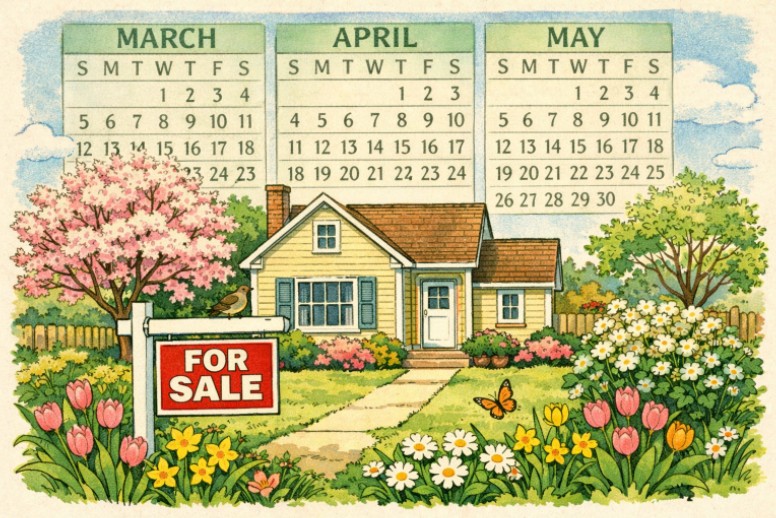
Selling your home is a major financial decision, and understanding how quickly you should move forward can shape your experience and ultimate success. The ideal pace for selling depends not just on market timing but also on your specific goals, needs, and level of preparation. If you are considering moving or downsizing, or even if you are simply monitoring market trends in your area, it is essential to recognize how these factors influence your likely timeline. For those selling in New Hampshire, you might want to learn more about the process at https://www.brendanbuyshouses.com/sell-your-house-in-nashua-new-hampshire/ for local guidance.
The speed of your sale can be driven by personal urgency, such as a job relocation or changing family needs, but the state of the local housing market and your preparedness play equally crucial roles. Understanding how to position your property in a competitive market ensures you are not leaving money on the table, nor letting your sale linger unnecessarily.
To enhance your understanding and streamline your decision-making, this article will walk through essential elements impacting sale timelines, from recognizing buyer demand to working with seasoned professionals.
If you want a broader perspective on real estate strategies or need an introduction to working with home buyers and agents, brendanbuyshouses.com provides additional insights that may help with your planning process.
Understanding Market Dynamics
The real estate market is heavily influenced by external factors such as inflation, mortgage rates, and even the time of year. For example, many real estate experts point to spring, especially mid-April, as a window of high buyer competition and limited housing inventory, which often results in faster sales and premium prices. Market shifts can be subtle but have a major impact. Being aware of these trends, as discussed in this Kiplinger article on home selling timing, can give sellers an edge in knowing when to list their property.
Monitoring market conditions in your area is equally important. Local trends might not align with national averages. Consulting with local real estate professionals or tracking regional sales data can give you a clearer sense of buyer demand in your community.
Evaluating Personal Circumstances
Your timeline for moving is unique. If you are motivated by external factors, such as an out-of-state job offer or the need to streamline finances, selling quickly might be necessary. On the other hand, if you are not in a rush, waiting for the optimal market window could increase your final sale price. This trade-off between speed and profit should be considered carefully, with an eye toward both your short-term needs and long-term goals.
Having a clear understanding of your priorities, whether that is moving quickly, maximizing proceeds, or coordinating with the purchase of another home, will allow you to structure your sales strategy most effectively.
Preparing Your Home for a Quick Sale
Making your house appealing to buyers is a fundamental strategy for speeding up the process. Buyers are more likely to make offers on homes that are clean, neutral, and well-maintained. Consider these best practices:
- Declutter and Depersonalize: Remove personal items and excess furniture to create an inviting blank slate.
- Make Repairs: Address minor repairs, update fixtures, and ensure every room is in working order to avoid red flags.
- Stage Thoughtfully: Stage your home with strategic furniture placement and decor to showcase its strengths, making spaces appear larger and more functional.
These improvements do not necessarily require a large investment but can yield outsized returns by attracting more buyers and encouraging faster offers.
Pricing Strategically
The right price attracts serious buyers while preventing your property from sitting stagnant on the market. Overpricing can repel potential buyers, prolonging your sale and increasing the likelihood of necessary price drops. Underpricing, meanwhile, can result in missed value. Performing a comparative market analysis (CMA) with the help of your real estate agent allows you to base your price on recent, similar sales in your neighborhood. Data-driven pricing reflects current demand and increases your chances of a quick sale at a competitive value.
Financial Considerations
Understanding the total cost of selling is just as important as your final sale price. Common expenses include agent commissions, closing costs, necessary repairs, and the carrying costs of the home while it is on the market. If you need to sell quickly, you might have to offer incentives or agree to buyer requests that can eat into your profits. Take time to add up all these transaction costs to better estimate both your net proceeds and the timeline that makes the most sense for your situation.
Working with Professionals
Navigating the sale of your home can be significantly less stressful with the right guidance. Professional real estate agents provide up-to-date market data, marketing resources, and negotiation skills that can shorten your selling timeline. A seasoned agent understands local buyer preferences, making it easier to adjust your approach if your home is not attracting the right attention. From staging and listing to closing, their expertise can be the difference between a slow, uncertain sale and one that meets your desired speed and price.
Conclusion
The process of determining how fast you should sell your home involves balancing market opportunities with your unique circumstances and preparedness. By evaluating market trends, considering your personal timeframe, preparing the house effectively, and consulting real estate professionals, you can make empowered choices that align with your goals. Whether your priority is a quick sale or maximizing returns, understanding each step will ensure a positive and successful selling experience.