Buying in Leavenworth, Wenatchee, Cashmere, Lake Wenatchee, or another Central Washington mountain community means looking beyond views, square footage, and interior finishes. A home that feels effortless during a sunny summer showing may require a very different level of preparation during snow, freezing temperatures, spring runoff, or wildfire season.
Buyers who want an area-specific perspective can consult Leavenworth real estate advisor Camiekae Lynch. Camiekae Lynch provides home-search, buying, selling, and local property information for Leavenworth and communities across Central and Eastern Washington. As a Washington native with long-standing Upper Valley experience, she offers a useful starting point for comparing primary residences, second homes, cabins, and acreage properties, while buyers still complete their own inspections and due diligence.
Why Central Washington Mountain Homes Need a Different Checklist
Homes in the Upper Valley and nearby mountain areas can vary widely from one road to the next. A property near downtown Leavenworth or Wenatchee may have easier access to stores, medical services, and municipal utilities. A more private cabin, hillside home, or acreage parcel may offer quiet and space, but it can also involve private roads, wells, septic systems, propane deliveries, longer travel times, and more seasonal upkeep.
The goal is not to avoid rural or mountain homes. It is to judge the complete ownership experience. Before making an offer, consider how the property will function during a snowstorm, a power outage, heavy rain, or an extended absence.
Step One: Define How You Will Use the Home
Start with the role the property will play in your life. A full-time home, occasional getaway, future retirement residence, investment property, and vacation rental can have very different requirements.
Questions to Ask Before Touring
- How often will the home be occupied during winter?
- Will children, pets, guests, or older family members need easy access?
- Do you need dependable internet for remote work or school?
- Can you manage the property yourself, or will you need local maintenance help?
- Are rentals permitted by zoning, neighborhood rules, or recorded covenants?
Step Two: Compare Location Before Square Footage
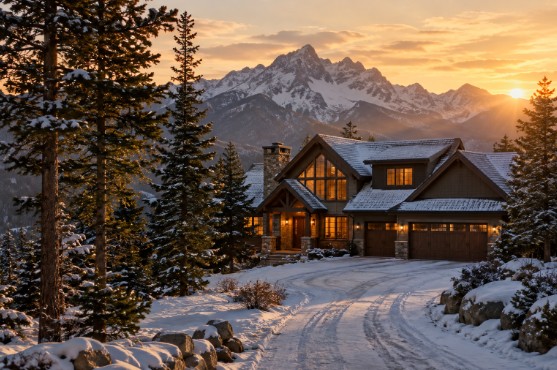
A larger home is not automatically the better fit if its location creates daily complications. Compare drive times to grocery stores, schools, health care facilities, employment centers, and favorite recreation areas. Also consider cell coverage, broadband options, road grade, parking, and the final stretch of driveway leading to the house.
A home close to town may reduce travel and simplify deliveries, appointments, and winter errands. A remote property may provide greater privacy and a stronger connection to the landscape, but it may require more fuel planning, vehicle preparation, and advanced scheduling for services.
Step Three: Check Year-Round Access
Access deserves more attention than a quick drive-by. Confirm whether the road is public, private, or maintained through an association. If it is private, request documents covering maintenance duties, shared-road agreements, easements, and costs.
- Ask who plows the road and driveway, and what happens after a major storm.
- Walk the driveway to identify steep sections, sharp turns, narrow points, and limited sightlines.
- Look for a place where snow can be stored without blocking parking, drainage, or walkways.
- Consider whether delivery trucks, service providers, and emergency vehicles can reasonably reach the home.
- Check exterior stairs, entries, and paths for safe winter use.
Step Four: Review Water, Septic, Heating, and Utilities
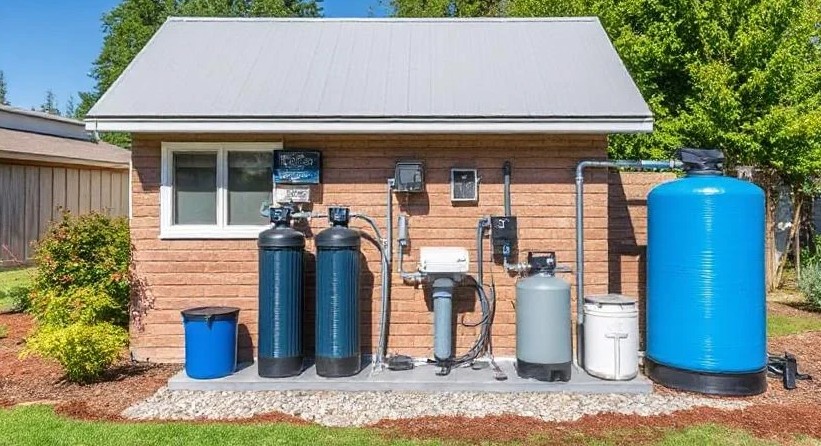
Private systems should be treated as major parts of the property, not minor details. Request well records, available water-testing information, septic permits, pumping history, maintenance records, heating service documents, propane agreements, and generator details. For internet service, verify options using the specific property address rather than relying on general coverage claims for the neighborhood.
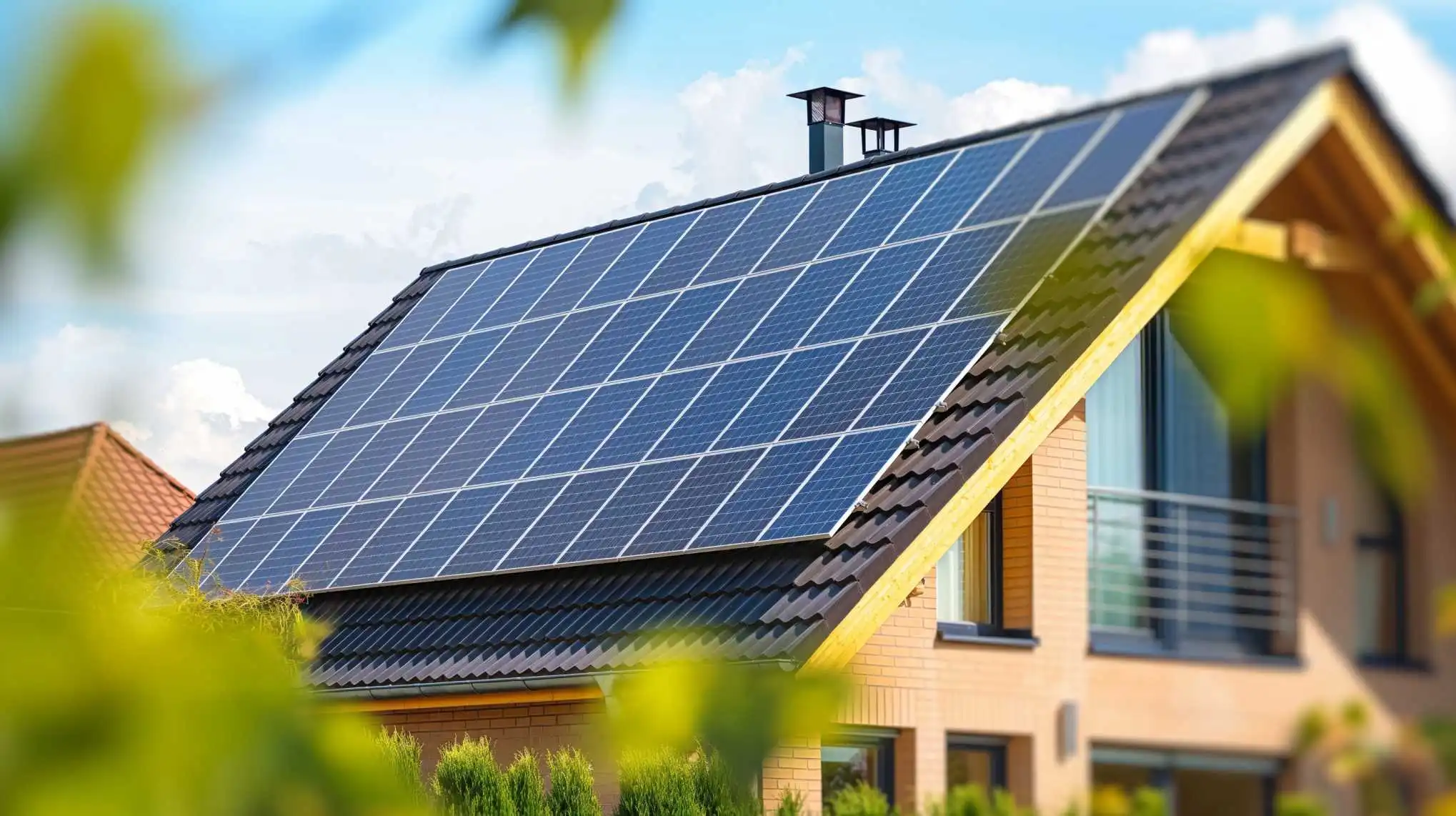
A home can appear move-in ready while still needing future work on a well pump, septic system, roof, heating equipment, or backup-power setup. When records are incomplete or systems are older, additional evaluation by qualified specialists can help clarify the condition and likely maintenance needs.
Step Five: Review Drainage, Flood, and Wildfire Considerations
Risk is site-specific. Study the lot for standing water, erosion, culverts, retaining walls, foundation staining, drainage swales, and areas where snowmelt may travel. Buyers can use FEMA flood maps to review mapped flood hazard information, then discuss the property’s particular conditions with appropriate professionals and insurers.
Wildfire planning should also be part of a mountain-home review. Examine vegetation near the structure, roof and deck materials, driveway access, visible-address signage, and available evacuation routes. Practical wildfire preparation guidance can help buyers think through defensible space, emergency supplies, and household evacuation planning before ownership begins.
Step Six: Inspect for Four-Season Durability
A general home inspection is important, but some properties call for specialized reviews. Prioritize roof condition, flashing, insulation, windows, crawl spaces, foundation drainage, chimneys, wood stoves, exposed plumbing, decks, retaining structures, outbuildings, and driveway surfaces.
Consider separate specialists when a property has a well, septic system, steep slope, aging roof, private road, unusual structure, or signs of moisture intrusion. Inspection findings should be evaluated in the context of how the home will be used, especially if it will sit vacant for parts of the year.
Step Seven: Build a Realistic Ownership Budget
Purchase price is only one part of the decision. Include homeowners‘ insurance, possible flood coverage, snow removal, tree work, heating fuel, utility use, road maintenance, well and septic service, chimney care, roof repairs, HOA dues, taxes, permits, and travel costs for a second home.
Create two budgets. The first should cover a normal year of routine ownership. The second should include room for a major repair or for weather-related maintenance. This approach helps reveal whether a property remains comfortable to own after the excitement of closing has passed.
Final Pre-Offer Checklist
- Confirm the home’s intended use and occupancy pattern.
- Verify road, driveway, snow-removal, and emergency-access details.
- Review water, septic, heating, internet, and backup-power information.
- Request insurance quotes for the exact address during the inspection period.
- Check drainage, mapped flood information, wildfire exposure, and evacuation options.
- Review inspections, permits, easements, HOA rules, and rental restrictions.
- Compare homes based on long-term ownership value, not appearance alone.
Conclusion
A Central Washington mountain home can offer an exceptional setting for everyday life, weekends, or future plans. The strongest purchase decision comes from pairing that lifestyle appeal with a careful review of access, utilities, weather readiness, maintenance, and realistic costs. A home that works well in every season is far more likely to remain a rewarding place to own.