Market Stabilization and Cautious Optimism
After a period of volatility, the real estate market is showing signs of stabilization. Buyers and sellers are adopting a more measured approach, leading to steadier price growth and increased inventory. This shift allows for more negotiation power for buyers and encourages sellers to price properties realistically.
This trend toward stability is not only apparent in pricing but also in transaction timelines. While previous years saw bidding wars and rapid-fire sales, current buyers are taking more time to explore their options. Likewise, sellers are gradually adjusting expectations and focusing on presenting properties in their best light in order to attract steady, qualified offers. Market analysts predict that, as uncertainty continues to fade, both buyers and sellers will benefit from a more predictable environment, making it easier to plan long-term investments.
Additionally, economic factors such as interest rate fluctuations are prompting many participants to remain vigilant. Lenders have responded by offering innovative mortgage products and incentives aimed at supporting homeownership even as the market cools. For those navigating these shifts, working with Wilmington real estate experts Thirty4 North Properties Group can provide valuable guidance and market-specific insights to help buyers and sellers make informed decisions.
Affordability Challenges and Creative Living Solutions
Affordability remains a significant challenge in the housing market. In response, alternative housing models such as build-to-rent communities, co-living spaces, and multi-generational homes are gaining popularity. These options cater to diverse lifestyle needs and offer more flexible living arrangements.
Rising costs have led developers and city planners to reimagine how communities function. Tiny homes, modular construction, and accessory dwelling units (ADUs) offer new possibilities for affordable living. Shared amenities, flexible lease terms, and the integration of work-from-home features are becoming more common, reflecting the needs of today’s mobile and resource-conscious individuals and families.
Additionally, financial institutions are creating loan products specifically tailored for first-time buyers and those interested in unconventional properties. Local governments are supporting these initiatives through zoning changes and grant programs, making it easier for aspiring homeowners to enter the market despite financial barriers.
Technological Advancements in Real Estate
Technology continues to revolutionize the real estate industry. AI-powered property valuations, predictive analytics, virtual tours, and automated marketing tools are becoming standard. These innovations enhance decision-making processes and improve the overall efficiency of real estate transactions.
The digital transformation is evident at every stage of the transaction. Smart contracts and blockchain solutions are facilitating more secure, transparent deals. Online platforms enable buyers to compare listings, access detailed property histories, and even negotiate online. Virtual staging and augmented reality allow prospective buyers to visualize changes before committing to a purchase, elevating buyer confidence and satisfaction.
Moreover, real estate professionals now use customer relationship management (CRM) tools to track leads and provide personalized service. These advancements combine to minimize risk and maximize convenience for all parties involved, setting a new standard for modern property transactions.
Sustainability as a Core Consideration
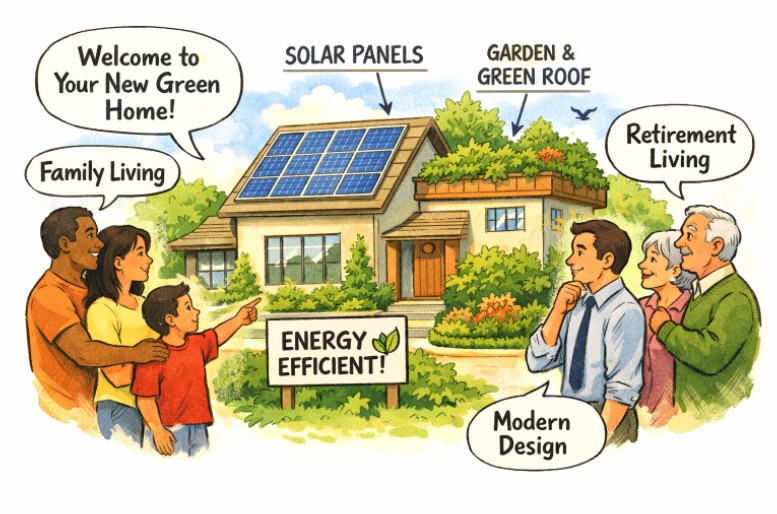
Environmental sustainability is now a key factor in real estate decisions. Buyers and investors prioritize energy-efficient systems, sustainable materials, and eco-friendly designs. Properties with strong sustainability credentials often command higher values and attract more interest.
Green certifications, solar installations, and smart home technologies are on the rise, reflecting increased awareness of climate impacts. Homebuyers seek properties with long-term cost savings in mind, favoring homes equipped with insulated windows, efficient heating and cooling systems, and renewable energy systems. Landlords are also incentivized by growing tenant demand for green features, supporting a shift in rental markets toward more sustainable offerings.
Government incentives, such as tax breaks for energy-efficient upgrades, further encourage both buyers and sellers to invest in sustainable choices. This trend is expected to intensify as communities and regulatory bodies continue to adopt stricter environmental standards.
Shifts in Location Preferences
The rise of remote and hybrid work models has altered location preferences. Many individuals are moving away from urban centers in favor of suburban or rural areas that offer a better quality of life, more space, and lower costs. This trend is reshaping demand patterns across various regions.
Areas once considered on the periphery are now gaining popularity due to accessible connectivity and improved infrastructure. Cities and towns are responding by investing in transportation and digital amenities, further boosting their appeal. Waterfront properties, mountain retreats, and small town communities have witnessed surges in demand as people prioritize access to the outdoors and a slower pace of life.
Design and Aesthetics Gaining Importance
In a competitive market, unique and thoughtfully designed interiors are becoming crucial differentiators. Buyers are increasingly drawn to properties that offer distinctive aesthetics and high-quality finishes, moving away from generic designs.
Minimalist layouts, flexible spaces, and timeless materials are trending, with buyers often willing to pay a premium for homes that feel personalized. Open-concept living, integrated smart technology, and the inclusion of outdoor living spaces enhance both functionality and enjoyment, reflecting changing lifestyles and preferences. As design trends evolve, sellers and developers are placing a greater emphasis on creating distinctive, memorable homes that stand out in a crowded marketplace.
Professional Guidance in a Complex Market
Navigating the evolving real estate landscape requires expert guidance. Professionals like the Wilmington real estate experts Thirty4 North Properties Group, led by husband and wife team Matt and Kristin Freeman, offer invaluable insights and services. With over 50 years of combined experience, they assist clients in finding properties that align with current market trends and individual preferences in the greater Wilmington area.
Real estate agents bring vital negotiating skills and up-to-date knowledge of local regulations, market data, and creative financing structures. In fast-evolving markets, the experience and industry networks that seasoned professionals provide can mean the difference between a smooth, successful purchase or sale and a missed opportunity. Whether it’s identifying new developments, guiding first-time buyers, or supporting experienced investors, local experts are indispensable allies.
The complexity of today’s market, with its overlapping waves of innovation, policy changes, and shifting consumer priorities, emphasizes the role of real estate professionals as trusted advisors who can translate industry trends into actionable strategies tailored to each client’s unique goals.
Community Amenities and Lifestyle Integration
Another growing trend is the focus on community-oriented amenities and lifestyle integration within residential developments. Buyers are seeking neighborhoods with walking trails, access to fitness centers, green spaces, coworking hubs, and communal gathering spots. This holistic approach meets the evolving needs of families, professionals, and retirees alike.
Developers are responding by designing master-planned communities that offer an array of shared resources, fostering a sense of belonging. These environments promote wellness, sustainability, and connectivity, making them attractive to those who value both convenience and a strong social fabric.
Conclusion
The real estate market is undergoing significant transformations influenced by technological advancements, changing lifestyle preferences, and sustainability considerations. Staying informed about these trends and seeking professional advice can help individuals make well-informed decisions in this dynamic environment.
As these trends continue to develop, adaptability and proactive decision-making will be the keys to success for buyers, sellers, and investors. With thorough research, innovative solutions, and support from skilled professionals, participants in the modern real estate market can navigate change with confidence.