Window treatments play a crucial role in a room’s comfort and style. Besides enhancing aesthetics, blinds and shades provide privacy and help control the amount of sunlight entering the space. Selecting the right type and understanding its longevity are important in making long-term investments for your home. Discovering more about durability variations can help homeowners plan for maintenance, replacement, and even professional window shade repair in Nashville, TN, as needed.
Choosing blinds and shades is not just about picking a pleasing design, but also understanding how long your chosen styles will last in your unique environment. The differences in materials, usage, and even local climate can significantly affect their lifespan. Regular care and quick response to any signs of damage can help extend the life of your window treatments, making maintenance and occasional repairs essential parts of home care.
As every home and window treatment is unique, it is important to periodically assess their condition. This ensures that blinds and shades continue to perform optimally, both in function and appearance. From wood and faux wood blinds to fabric and vinyl shades, the right choice and proper care can mean years of satisfaction and reduced replacement costs.
Factors Influencing Lifespan
The longevity of window blinds and shades can vary significantly depending on several key factors. Understanding these influences helps maximize their lives and catch potential problems early.
- Material Quality: Premium materials generally extend the usable life of blinds and shades, while lower-quality options can degrade or break down more quickly.
- Usage Frequency: Blinds and shades that are adjusted often face more mechanical wear and are more likely to need repairs or earlier replacement.
- Environmental Exposure: Windows that get a lot of sun or experience high humidity tend to fade, warp, or degrade more quickly.
- Maintenance: Regular cleaning and care help prevent the buildup of dust and debris that can harm mechanisms and materials.
Average Lifespan by Type
Each type of window blind or shade has its own expected durability. Homeowners should assess their needs, usage patterns, and room conditions before selecting the right fit.
Wood Blinds
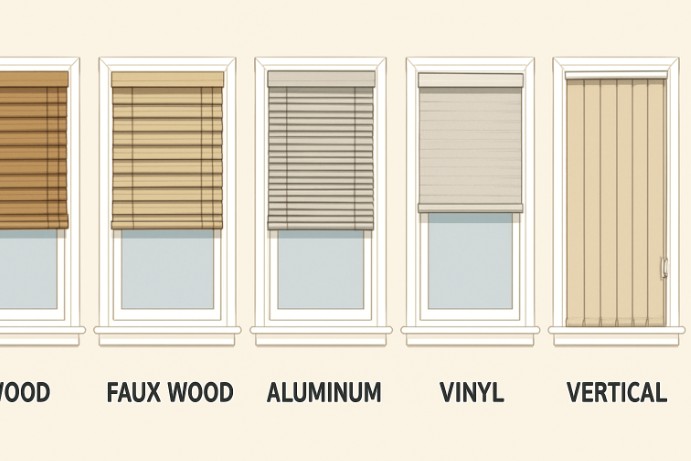
Natural wood blinds bring warmth and elegance to interiors and, with attentive maintenance, typically last 7 to 10 years. Exposure to high humidity or direct sunlight can lead to warping or visible fading, so these blinds are best suited for living rooms, bedrooms, or other dry, shaded spaces. For older or damaged blinds, finding window blind repair near me can help restore their appearance and function, extending their lifespan and keeping your interiors looking polished.
Faux Wood Blinds
These blinds combine versatility and style, closely resembling real wood while being more moisture- and heat-resistant. Suitable for bathrooms and kitchens, faux wood blinds can last from 7 to 10 years, making them a popular choice for high-humidity environments.
Aluminum Blinds
Aluminum blinds are lightweight and durable, typically lasting 4 to 7 years. They are moisture-resistant but can be bent relatively easily if handled roughly. They are a practical option for both homes and offices.
Vinyl Blinds
Affordable and moisture-resistant, vinyl blinds usually last 5 to 10 years. Constant exposure to sunlight may eventually cause the material to become brittle or yellow over time, especially in sun-facing windows.
Fabric Shades (Roller, Roman, Cellular)
Fabric-based shades, including roller, Roman, and cellular styles, are elegant choices. They have an average lifespan of 5 to 10 years, depending largely on the material quality and sun exposure. Proper care, such as regular dusting and occasional gentle cleaning, is key to extending their durability.
Vertical Blinds
Ideal for larger windows and patio doors, vertical blinds can be very durable, lasting between 5 and 15 years. The material type and how frequently they are opened and closed will affect their actual lifespan.
Signs It’s Time for Replacement
It is important to monitor your window coverings for signs that they may be reaching the end of their useful life. Frequently observed issues include:
- Noticeable fading or discoloration from sun exposure
- Warping, bending, or broken slats and mechanisms
- Difficulty raising, lowering, or tilting the blinds
- Window treatments that look outdated or do not complement updated decor
Addressing these issues promptly helps prevent more serious problems, such as window damage or privacy loss.
Maintenance Tips to Extend Lifespan
Proper care can lengthen the lifespan of your window treatments. These simple tips help keep them looking and working their best over the years:
- Dust blinds and shades regularly using a soft microfiber cloth or a vacuum brush attachment.
- Avoid abrasive cleaners and harsh chemicals. Opt for mild soap and water for deeper cleans.
- Ensure effective installation and promptly repair faulty mechanisms as issues arise to prevent further wear.
- Rotate or evenly adjust the blinds to distribute sunlight and reduce concentrated fading.
Routine and attentive care allows homeowners to maximize not just durability but also energy efficiency and comfort.
Final Thoughts
Choosing the right window blinds or shades is a matter of both taste and practicality. By understanding the life expectancy and maintenance needs of each option, homeowners can make investments that combine style, privacy, and long-lasting value. Regular upkeep and prompt repairs keep your window treatments not only functional but also a beautiful part of your home’s interior for many years to come.