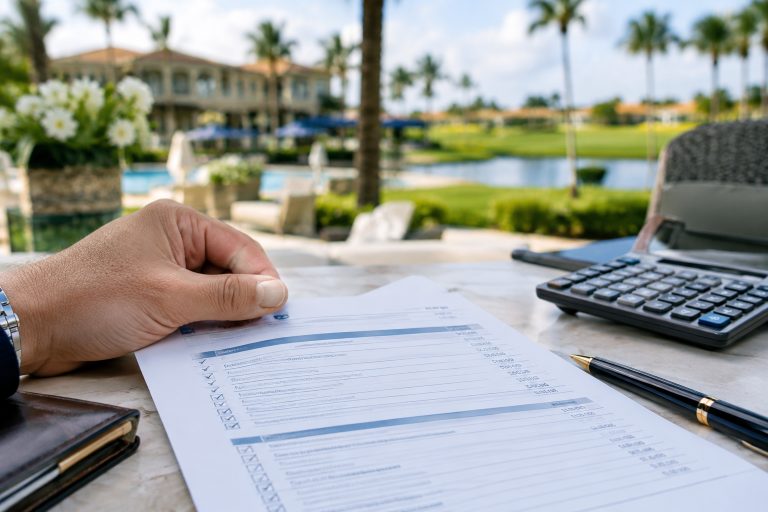
Buying in a Boca Raton country club community means choosing a daily lifestyle as well as a residence. A home’s floor plan, view, and asking price matter, but so do membership requirements, community rules, social opportunities, recurring fees, and the practical ease of living in Palm Beach County.
Buyers who want a close look at one established private-club option can use Polo Club Boca Raton real estate agent resources to explore The Polo Club of Boca Raton. The website is focused on homes for sale and rent, community neighborhoods, amenities, dues and fees, and local real estate guidance for buyers considering Boca Raton and nearby Palm Beach County communities. That community-specific focus makes it a useful authority for comparing the questions that can be missed in a general property search.
Why the Community Matters as Much as the Home
Two homes with similar prices can create very different ownership experiences. One may have mandatory club membership, formal dining, frequent events, and closely managed exterior standards. Another may offer optional membership, lower recurring obligations, and a quieter residential setting. Neither approach is automatically better. The right choice depends on how you expect to spend your time, how much flexibility you want, and what ongoing costs fit comfortably into your plans.
In Boca Raton, buyers should also consider the realities of seasonal activity, summer heat, hurricane preparation, travel schedules, and access to shopping, medical care, airports, and the coast. A community that looks ideal during a short showing should also work during an ordinary weekday and during busier parts of the year.
Start With a Personal Lifestyle Checklist
Before comparing listings, define what you genuinely expect from country club living. A clear checklist can prevent amenities from overshadowing your actual priorities.
- How often will you use golf, tennis, pickleball, fitness, swimming, or spa services?
- Do you want regular dining, clubs, cultural programming, and social events?
- Would you prefer a lively atmosphere or greater privacy and quiet?
- Will the home be a full-time residence, seasonal property, or occasional retreat?
- How important are guest privileges, pet policies, outdoor space, and room for visiting family?
- How frequently will travel keep you away from the property?
Compare the Full Cost of Ownership
The purchase price is only the starting point. Request a current written summary of every known cost before making an offer, then compare the same categories for each community under consideration.
- Purchase price, financing costs, property taxes, and insurance.
- Club initiation, equity, joining, or capital contribution charges.
- Monthly or annual club dues and homeowners association fees.
- Food and beverage minimums, activity fees, and guest charges.
- Transfer fees, resale charges, and possible special assessments.
- Home maintenance, landscaping, pool care, repairs, and storm preparation.
Reviewing HOA rules and fees early can help buyers understand what the association controls, what dues may cover, and which documents deserve careful attention. Ask for governing documents, budgets, recent meeting minutes, insurance information, and notices of prior or proposed assessments.
Learn How Membership Works
Membership structures differ widely. A community may require membership with every home purchase, offer it as an option, or provide several tiers such as golf, sports, social, or dining memberships. Some arrangements involve equity interests or capital contributions, while others do not. Confirm the exact structure directly with the club and determine whether membership transfers with the property, must be purchased separately, or requires a new application.
Also ask about approval procedures, waitlists, deadlines, and whether membership availability can affect the closing date. Fees, programs, and policies can change, so current written confirmation matters more than an old listing description.
Review Amenities Based on Actual Use
Look Beyond the Amenity List
A long list of facilities is valuable only if it suits your routine. Visit the clubhouse, fitness areas, pool, dining spaces, courts, and golf facilities when possible. Ask about operating hours, reservation systems, guest rules, seasonal schedules, planned renovations, and the level of activity during peak periods.
Consider practical questions. Is it easy to reserve a court when you are likely to play? Will you use the dining venues enough to justify applicable minimums? Are the fitness and wellness options aligned with your habits? Amenities should add usable value, not simply create another recurring expense.
Study Rules, Financial Health, and the Home Itself
Rules can shape everything from leasing and pets to exterior paint, landscaping, golf carts, parking, renovations, fences, and storm shutters. Review the declaration, bylaws, covenants, architectural procedures, and community rules before your contract deadlines. Buyers should also seek qualified advice regarding their contract, title, inspections, and other transaction terms. The Florida Bar notes the importance of careful contract review before signing a home purchase agreement.
Ask for the latest association budget and financial statements. Look for reserve funding, completed or planned capital work, recent dues increases, and assessments involving roads, roofs, landscaping, pools, clubhouses, or other shared assets. Clarify which obligations belong to the homeowners association and which belong to the club.
Finally, evaluate the specific home beyond its photos. Use independent inspections to assess the roof, HVAC, plumbing, electrical systems, windows, drainage, and visible condition. In South Florida, ask about hurricane protection, backup power, flood exposure, insurance requirements, sun exposure, privacy, storage, and outdoor living areas. A golf-course view may be appealing, but buyers should also assess proximity to paths, maintenance activity, and nearby roads.
Tour at Different Times and Consider Resale Flexibility
One showing rarely reveals a community’s full character. Visit on weekdays and weekends when possible. Drive the surrounding routes, observe parking and traffic conditions, walk through common areas, and speak with residents if appropriate. Notice whether the setting feels formal, relaxed, family-oriented, highly social, or peaceful.
For future resale, consider how mandatory fees, membership approval, rental restrictions, and the home’s layout may affect the next buyer’s decision. Compare recent sales of truly similar properties within the same community, rather than relying only on prices in nearby neighborhoods with different club structures.
Use a Simple Community Scorecard
Rate every community from one to five based on your own priorities:
- Total annual ownership cost
- Membership flexibility and approval process
- Amenity quality and likely personal use
- Community atmosphere and convenience
- Rules, rental options, and guest access
- Association and club financial information
- Home condition, insurance considerations, and resale outlook
Choose the Community That Fits Real Life
The best Boca Raton country club community is not necessarily the one with the largest clubhouse or the most impressive first impression. It is the one that matches your budget, routines, comfort with rules, and long-term goals. By comparing costs, membership terms, amenities, financial documents, property condition, and everyday atmosphere before signing a contract, buyers can make a more confident purchase decision.