
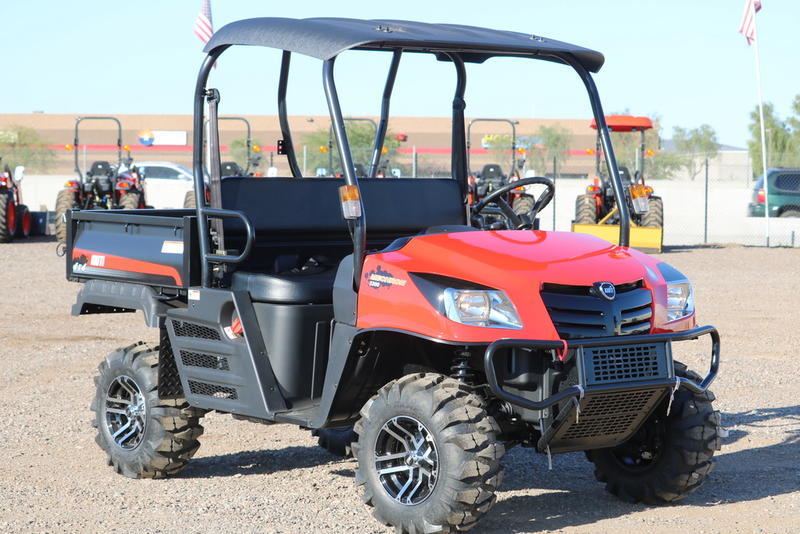
Something’s shifting in the way people approach outdoor work, and it’s happening faster than most realize. Drive past any farm, ranch, or large property these days and there’s a decent chance you’ll spot an electric utility vehicle quietly moving between tasks. These machines aren’t just showing up as novelties anymore – they’re becoming legitimate workhorses that handle real jobs.
The change isn’t coming from environmental pressure or regulations. It’s coming from people who’ve done the math and realized electric UTVs solve problems they’ve been dealing with for years. The noise, the fuel runs, the maintenance schedules that always seem to hit at the worst possible time. Electric models handle these issues differently, and that difference matters when you’re trying to get work done.
The Practical Advantages That Actually Matter
Electric UTVs run quiet enough to use them early in the morning without waking the entire property. That might sound trivial until you’re feeding livestock at 5 AM or need to move equipment before the heat sets in. The silence changes how and when work gets done. Neighbors appreciate it too, especially on properties where boundaries sit close together.
The torque delivery makes more sense for utility work than most people expect. Electric motors put out full power from a standstill, which means pulling loads or climbing hills doesn’t require the same throttle management as gas engines. There’s no waiting for RPMs to build or worrying about lugging the engine. For anyone who’s spent time hauling feed, equipment, or materials across uneven ground, the immediate response feels natural pretty quickly.
Battery range varies depending on the model and how it’s used, but most electric UTVs handle a full day of typical property work without needing a charge. Heavy hauling or constant hill climbing will drain batteries faster, though even then, many models still manage several hours of hard work. For operations that involve an electric UTV, charging overnight means starting each day with full capacity.
What the Operating Costs Look Like
Here’s where things get interesting for anyone running the numbers. Electricity costs less than gas, which shows up clearly over time. The exact savings depend on local utility rates and fuel prices, but the pattern holds consistent – electric costs less per hour of operation.
Maintenance tells an even bigger story. Electric UTVs skip oil changes completely. No spark plugs to replace, no air filters to clean, no fuel filters to swap out. The engine doesn’t have dozens of moving parts wearing against each other, so there’s less that can break down. Brake systems last longer too since electric motors provide regenerative braking that reduces wear on traditional brake components.
The battery will eventually need replacement, usually after several years of regular use. That’s a real cost to factor in, though battery prices continue dropping and warranties keep getting longer. When balanced against years of avoided maintenance and fuel costs, the total cost of ownership starts looking competitive with gas models.
How They Handle Different Types of Work
Property maintenance represents the sweet spot for electric UTVs. Moving tools, carrying supplies, checking fences, or transporting workers across acreage – these tasks play to the strengths of electric power. The quiet operation means conversations happen normally while driving, which matters more than expected when coordinating work or giving property tours.
Farming applications work well too, particularly for operations that need frequent trips between buildings, barns, and fields. The instant torque helps with pulling small trailers or ag equipment, and the lack of exhaust means working in enclosed spaces doesn’t require ventilation planning. Some farmers report using electric UTVs inside greenhouses or covered growing areas where gas engines wouldn’t make sense.
Construction and landscaping crews are finding uses for electric models on job sites where noise restrictions apply or where working near occupied buildings matters. The ability to operate for hours without refueling eliminates fuel can trips, and the reduced maintenance means less downtime between jobs.
The Charging Infrastructure Question
Charging an electric UTV isn’t complicated, but it does require some planning. Most models charge from standard outlets, though the time needed varies. A full charge might take anywhere from 4 to 8 hours depending on the battery size and charger type. Level 2 chargers cut that time significantly but cost more upfront.
The key is matching charging schedules to work patterns. For single-shift operations where the UTV sits overnight, standard charging works fine. Operations running multiple shifts or needing the vehicle available around the clock might need backup units or faster charging solutions. Some larger properties install charging stations at different locations to top off batteries during breaks.
Cold weather does affect battery performance and range, which matters for operations in northern climates. Batteries lose capacity in freezing temperatures, sometimes cutting range by 20-30% on particularly cold days. Storage in heated areas helps, and most modern electric UTVs include battery management systems that minimize cold weather impact.
The Terrain and Load Capacity Reality
Electric UTVs handle rough terrain surprisingly well. The low center of gravity from floor-mounted batteries actually improves stability on slopes and uneven ground. Most models offer four-wheel drive and comparable ground clearance to their gas counterparts, so they navigate the same trails and work areas without issues.
Load capacity matches what you’d expect from similar-sized gas UTVs. Most electric models haul 1,000 to 1,500 pounds in the bed and tow similar amounts, which covers the majority of property work needs. Heavy hauling operations that regularly max out capacity might still favor gas models with larger ratings, though the gap keeps narrowing as electric technology improves.
Making the Transition Work
Switching to electric UTVs doesn’t have to mean replacing an entire fleet overnight. Many operations start with one electric unit for lighter duty work while keeping gas models for heavy hauling or extended range needs. This approach lets people learn what electric models do well without betting everything on new technology.
The learning curve stays pretty flat. Anyone comfortable with a golf cart or regular UTV picks up electric operation within minutes. The main adjustment involves thinking about battery levels the same way as fuel gauges – checking before long trips and plugging in when finished for the day.
Looking at What’s Next
Electric UTV technology keeps improving at a steady pace. Batteries get more efficient, range extends, and prices become more accessible. What seemed experimental a few years back now represents a practical option for many outdoor work situations. The machines prove themselves through daily use rather than marketing promises, and that practical proof is what’s driving adoption across farms, ranches, worksites, and properties of all sizes.
The shift toward electric power for utility work isn’t about following trends – it’s about finding tools that make outdoor work easier, quieter, and more cost-effective over the long run.