
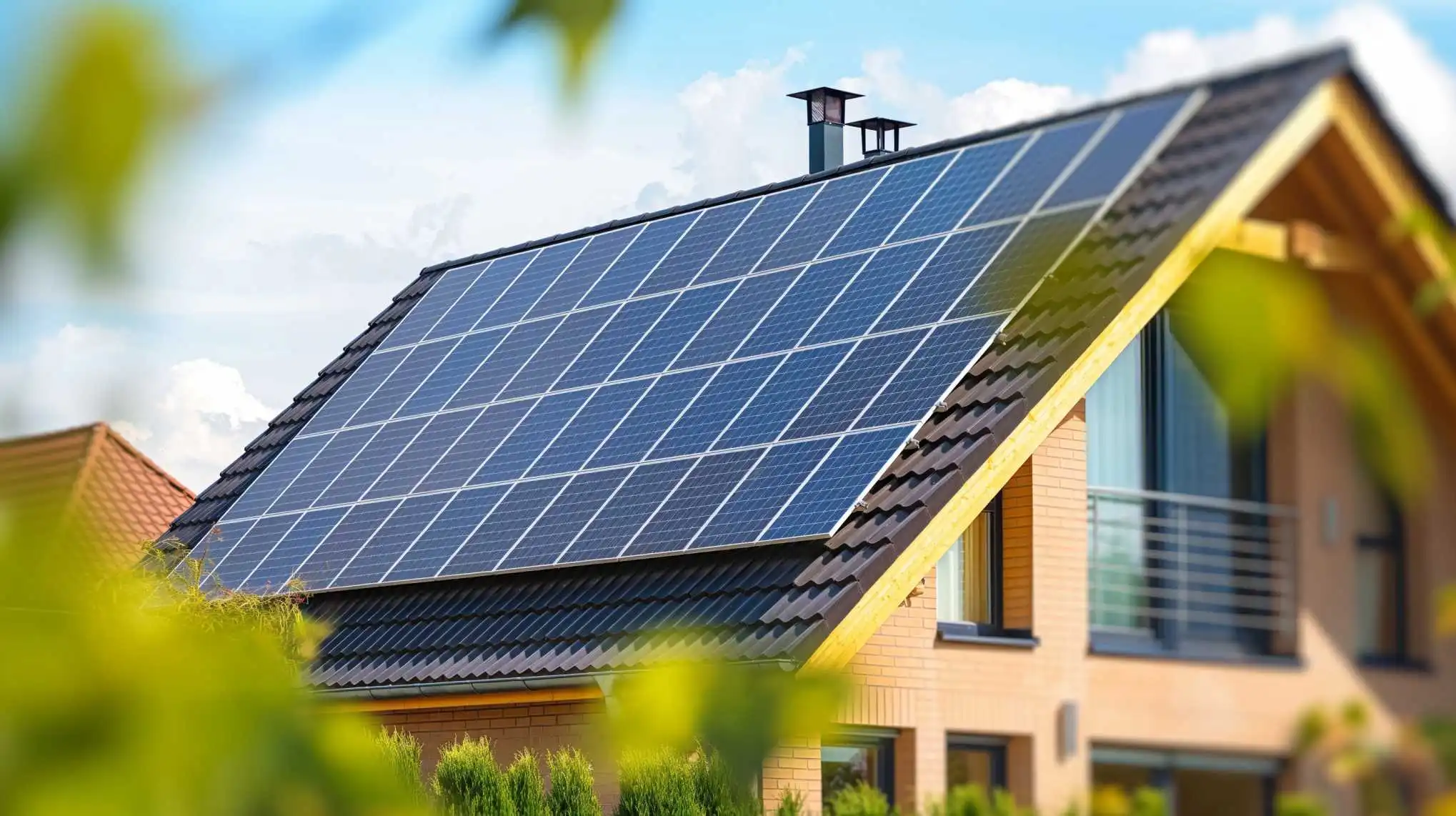
Residential solar panels are rapidly becoming a cornerstone of sustainable homeownership across the United States. Driven by growing environmental responsibility and the desire to lower living costs, homeowners are increasingly turning to clean solar energy as a way to invest in their properties and take control of their energy bills. For those exploring cost-effective energy solutions, solar installation Chicago presents an opportunity to harness both environmental and financial benefits through locally optimized solutions.
The widespread adoption of residential solar panels is not only reshaping the energy market but also empowering individual families to make impactful choices about their consumption. As technology advances and costs continue to fall, solar panels are shifting from a luxury to an accessible, mainstream fixture on rooftops. This article examines the latest trends, savings potential, technological innovations, and policy changes, while offering genuine homeowner insights for those considering solar energy for their homes.
Current federal and state incentives continue to boost interest, while innovations like battery storage make solar energy an even smarter investment. As large-scale adoption grows, trusted installation partners play a vital role in demystifying the process and ensuring optimal system performance. Through a combination of transparent pricing and reputable service, the solar industry is addressing past challenges and setting a new standard in homeowner satisfaction.
Understanding these trends and the factors that influence installation will help homeowners make informed decisions and maximize the benefits of going solar. With the solar investment tax credit set to expire soon, there has never been a more advantageous time to explore residential solar options and stay ahead of coming changes.
Current Trends in Residential Solar
The residential solar market is undergoing explosive growth. In 2024 alone, more than 560,000 rooftop systems were installed, contributing an additional 4.7 GW of clean energy capacity to the national grid. This brings the number of homes in the U.S. with solar installations to more than 5.26 million—an increase that signals mainstream momentum and widespread acceptance of solar technologies. According to industry analyses, installations are accelerating, fueled by policy incentives, public awareness, and community-driven adoption. Source: The New York Times
Financial Benefits and Savings
One of the most compelling reasons homeowners choose solar panels is the opportunity to save significantly on their energy bills. In 2024, the average U.S. household saved approximately $1,500 per year after switching to solar. Collectively, Americans with residential solar systems retained an impressive $2.3 billion by generating their own electricity instead of relying solely on traditional utilities. These savings are expected to become more pronounced as inflation and utility rates trend upward. Additionally, solar panels can increase property value, making them a substantial investment for those planning to sell or refinance their homes.
Technological Advancements
Modern solar energy systems go far beyond simple rooftop panels. Breakthroughs in battery technology now enable homeowners to store excess energy for use during peak hours or in the event of an outage. In California, the adoption rate of batteries with new installs leaped from just 10% in 2023 to 60% by the end of 2024, highlighting the growing demand for enhanced energy independence and resilience. Panel efficiency is also improving steadily, meaning you get more electricity from the same amount of sunlight—reducing the space required and maximizing the return on investment.
Overcoming Installation Challenges
Barriers to going solar still exist, particularly in terms of upfront costs and identifying trustworthy installers. In 2023, more than one in five homeowners reported challenges in locating a reliable company. Transparent business practices, clear pricing models, and verified customer testimonials are essential for addressing these concerns. Homeowners are encouraged to gather multiple quotes, research local providers, and utilize directories from established organizations, such as the U.S. Department of Energy, to ensure high-quality, reputable service.
Policy and Incentives
Current government programs are a major driver of solar market growth. Federal, state, and sometimes local incentives reduce installation costs, making the transition more accessible for average households. The federal solar investment tax credit—set to expire at the end of 2025—has prompted a surge in new installations as homeowners rush to lock in substantial savings. Ongoing advocacy is helping to maintain or extend beneficial programs, but imminent policy changes underscore the importance of acting soon to maximize returns.
Environmental Impact
Solar power is among the cleanest energy sources available, and adopting it means a significant reduction in a home’s carbon footprint. By shifting away from fossil fuels, solar panel owners help decrease greenhouse gas emissions and contribute to cleaner air and healthier communities. This small change at the individual level aggregates into enormous positive impacts at the city, state, and national levels—making a meaningful contribution to climate change mitigation.
Homeowner Experiences
Those who have installed residential solar panels frequently tout high satisfaction thanks to lower utility bills, increased home values, and the peace of mind that comes with sustainability. Experiences can vary, so it’s crucial to conduct thorough research, read detailed reviews, and seek recommendations. Engaging with reputable installers and asking about both upfront costs and long-term maintenance will ensure smooth, successful transitions and maximum value.
Future Outlook
The future of residential solar is bright. As technology continues to advance, systems will become increasingly affordable, efficient, and easy to install. Public demand will likely accelerate as consumers prioritize both savings and environmental impact. By the end of the decade, experts anticipate mainstream adoption in nearly every region, supported by evolving policies and increasingly robust grid integration.