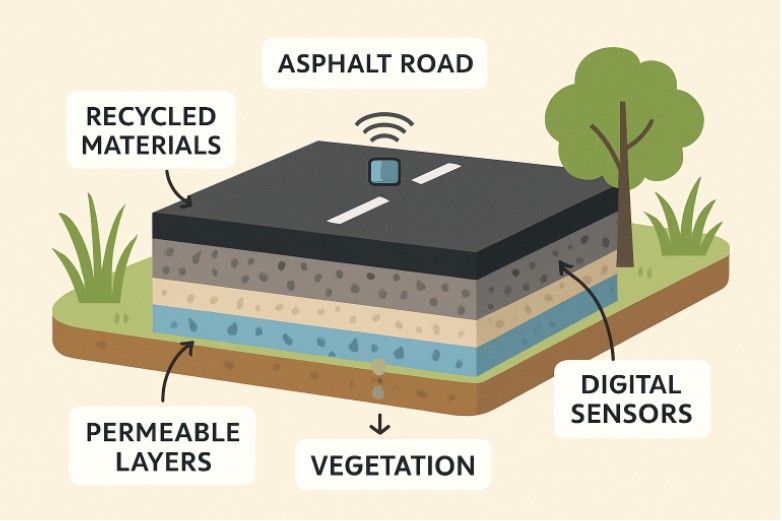
As cities expand and infrastructure ages, sustainably maintaining asphalt roads and surfaces has become imperative. Not only do sustainable solutions improve the longevity and efficiency of our transportation networks, but they also help preserve the environment by reducing emissions, conserving resources, and enabling greener development. For those in need of expert paving solutions, partnering with a quality pavement company St. Louis can make a crucial difference in adopting modern, eco-friendly maintenance strategies.
Today’s leading-edge asphalt maintenance goes beyond patching cracks—it seeks innovative ways to cut greenhouse gases and promote circular resource use. With the push toward sustainability intensifying amid climate concerns and regulatory changes, municipalities and private developers alike are turning to new materials, technologies, and smart design methods to keep asphalt in peak condition without compromising the needs of future generations.
The strategies that make up sustainable asphalt maintenance blend technical innovation with common-sense stewardship of community assets. Modern road upkeep now means evaluating the entire pavement life cycle, from the materials that go into the mix to how surfaces respond to floods, temperature extremes, and heavy use. These efforts aren’t just about saving money or winning green awards—they’re an investment in community resilience.
Incorporating Recycled Materials
The use of reclaimed asphalt pavement (RAP) and recycled asphalt shingles (RAS) is one of the most effective ways to reduce the environmental impact of road construction. These recycled materials are processed and blended into fresh asphalt, replacing significant quantities of new asphalt binder and mined aggregate. According to the National Asphalt Pavement Association, the use of RAP and RAS in 2022 replaced approximately 5 million tons of virgin binder and over 93 million tons of aggregate, resulting in the elimination of more than 2.7 million metric tons of greenhouse gas emissions from the atmosphere. Recycling also reduces landfill loads and preserves natural landscapes by minimizing the need for extraction.
Benefits and Best Practices
Implementing recycled materials can lower project costs, improve pavement resilience, and contribute to sustainable material cycles. Best practices include careful processing to ensure material quality and controlling mix ratios to maintain pavement performance standards. By standardizing recycling in asphalt plants and collaborating with regulatory agencies, cities and contractors can meet sustainability targets while maintaining reliable infrastructure.
Adopting Warm-Mix Asphalt Technologies
Warm-mix asphalt (WMA) is produced and laid at lower temperatures than traditional hot-mix techniques, resulting in significant reductions in both energy consumption and greenhouse gas emissions. WMA not only benefits the environment by requiring less fuel and producing fewer fumes, but it also improves jobsite safety, shortens lane closure times, and allows for longer hauling distances during installation. A 2023 trend report highlights that WMA has become a staple for both public and private paving contracts because of its proven benefits for air quality and worker health.
Technical advances now enable a variety of additives and foaming techniques that lower the mix temperature without sacrificing pavement performance. Transport agencies are increasingly specifying WMA as part of their sustainability mandates, making it an essential standard for future-ready roadwork.
Implementing Permeable Asphalt Solutions
Addressing the dual challenges of flash floods and urban heat islands, permeable asphalt solutions are transforming city surfaces into active components of green infrastructure. These porous pavements allow stormwater to filter through to the underlying soil, reducing stress on storm drains, recharging groundwater, and minimizing the risk of surface flooding. The permeability also curbs heat buildup by promoting evaporative cooling—a key advantage in densely built-up areas.
Urban Adoption and Impact
Municipalities with histories of flooding or heavy rainfall, such as Houston and Chicago, are paving the way with large-scale permeable projects incorporated into their climate adaptation plans. Such solutions dovetail with green roofs, bioswales, and rain gardens to create resilient, nature-based cities. According to The Washington Post, cooling pavements and permeable techniques are critical in making cities more livable and climate-ready.
Utilizing Self-Healing Materials
As infrastructure ages, routine repairs can become costly and disruptive. Recent research focuses on self-healing asphalt blends that autonomously seal small cracks, preventing them from turning into potholes. These advanced materials use encapsulated rejuvenators, healing polymers, and even bacteria-activated compounds. The result is pavement that lasts longer, needs fewer interventions, and reduces the total carbon emissions associated with maintenance operations. Artificial intelligence is helping engineers optimize self-healing formulas and predict when and where cracks will form, ushering in a new era of predictive road care.
Integrating Smart Technologies
The integration of digital sensors and wireless networks within asphalt is revolutionizing road maintenance scheduling and extending the longevity of roads. Smart pavement systems monitor key variables, including temperature swings, traffic volume, moisture levels, and stress loads. The real-time data enables predictive upkeep, which increases road safety and reduces emergency repairs, keeping maintenance budgets predictable and surfaces safer for users.
Smart Cities and Infrastructure Resilience
Digital monitoring supports the development of smart cities, where infrastructure communicates directly with city management systems. These innovations not only reduce environmental impact but also help communities recover more quickly from extreme weather events or high-traffic incidents. As the technology matures, expect to see further adoption across both new builds and legacy road upgrades.
Final Thoughts
Sustainable asphalt maintenance is crucial for communities seeking to strike a balance between infrastructure reliability and environmental protection. Deploying recycled materials, warm-mix technologies, permeable pavements, self-healing innovations, and smart technology platforms brings both immediate and long-term benefits. By adopting these practices, public works departments and contractors can help create a future where roads are more durable, responsive, and environmentally conscious.