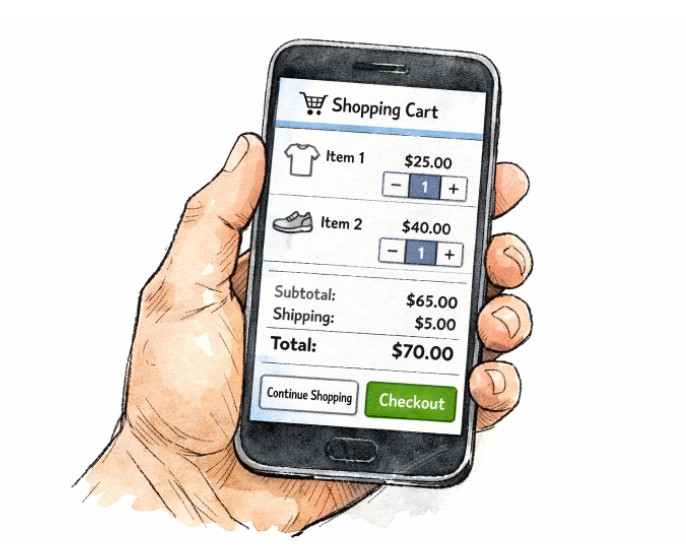
In today’s rapidly evolving digital landscape, mobile commerce continues to shape the trajectory of online shopping. Retailers must optimize their mobile shopping carts not only for functionality but also for aesthetics and user engagement. With an increasing shift toward shopping via smartphones, keeping up with the latest design trends is crucial to improving conversions and enhancing the shopping experience. To see real-world examples of modern cart user interfaces for mobile, visit this resource on cart UI design mobile.
Mobile users expect quick, visually appealing, and seamless experiences. Missed opportunities for optimization can result in higher cart abandonment rates and lost sales. Businesses that integrate cutting-edge UI and thoughtful design strategies into their mobile shopping cart screens position themselves to meet consumer expectations and outperform their competition.
The most successful mobile shopping cart screens are crafted with attention to mobile usability, personalized content, and innovative technology integrations. Crafting a memorable and frictionless checkout is just as important as offering unique products or competitive pricing. In this article, we explore the top trends driving mobile cart design, from thumb-friendly navigation to in-store physical innovations.
Embracing Mobile-First Design
According to Forbes, mobile commerce was projected to grow by 68% by 2022, highlighting the necessity for a mobile-first design philosophy. This approach ensures that every element, from menu structures to product images, is crafted to look and function optimally on smaller screens. Mobile-first design focuses on simplicity, finger-friendly targets, and intuitive navigation paths to ensure the most critical features are never lost in transition from desktop to mobile.
Implementing Thumb-Friendly Navigation
Shoppers frequently interact with mobile screens using one hand, often relying solely on their thumbs. Design decisions that account for these ergonomic patterns can significantly improve the user experience. Placing critical buttons (like “Add to Cart,” “Remove,” and navigation menus) within the natural reach zone of the thumb helps to minimize unnecessary stretching and discourages accidental taps. Design resources emphasize the importance of accessibility; every touch interaction should feel natural, reducing friction and keeping shoppers moving forward in the purchasing process.
Simplifying the Checkout Process
The complexity of the checkout process has a direct impact on cart abandonment rates. Lengthy multi-page checkouts, intrusive sign-up forms, or a lack of trusted payment options can frustrate users and lead to drop-offs. Cutting-edge mobile designs are now adopting single-page checkouts and integrating digital wallets like Apple Pay and Google Pay for swift, secure transactions. Additionally, biometrics like fingerprint or facial recognition technology can further streamline the authentication process, building user confidence and expediting payments. Simplified flows foster trust and help shoppers complete their purchases with minimal resistance.
Leveraging Personalization and Real-Time Analytics
Personalization on mobile shopping platforms is more advanced than ever, thanks to data-driven shopping insights. Brands are leveraging behavioral data, browsing history, geolocation, and even real-time events, like the weather or current promotions, to present tailored offers and updates within the cart screen. For example, users may see complementary products, discounts, or time-sensitive alerts based on their unique actions. Implementing real-time analytics can boost mobile conversion rates by up to 20 percent, as found by recent industry reports on MarTech.
Innovations in Physical Shopping Cart Designs
While most trends focus on on-screen aesthetics and functionality, real-world innovation is also transforming the physical shopping cart. Major retailers have begun investing in AI-powered carts equipped with sensors, digital screens, and even in-cart checkout technologies. These smart carts track inventory, calculate totals on the go, and display personalized promotions, reducing checkout lines and creating a more interactive shopping experience. The integration of the Internet of Things (IoT) into physical carts demonstrates how offline retail is adapting to meet the expectations set by mobile-first online shopping.
Prioritizing Sustainability in Design
Sustainability is at the forefront of both digital and physical shopping cart design. In response to consumer demand, retailers are opting for carts built from recycled or renewable materials and prioritizing durability to minimize environmental impact. Incorporating these choices into the design process not only aligns brands with global green initiatives but also appeals to a growing eco-conscious customer base. These sustainability efforts underscore the importance of responsible design in long-term business strategies.
Conclusion
Staying competitive in the world of mobile commerce requires an ongoing commitment to user-centered design and a willingness to evolve alongside new technology. By adopting a mobile-first mindset, prioritizing ergonomic layouts, streamlining checkouts, implementing personalized features, and leading with sustainability, businesses can capture more sales and build deeper relationships with shoppers in a crowded digital marketplace.