Common Causes Of Basement Flooding
Basement flooding is a nightmare scenario for homeowners, turning safe spaces into costly cleanup projects within hours. Overflowing gutters, improper grading, and inadequate drainage systems are just a few of the frequent triggers. Extreme weather events—like heavy downpours and sudden snowmelt—can overwhelm basements that cannot shed excess water quickly.
Along with external elements, problems such as aging pipes, cracked foundations, and deteriorating sump equipment can allow water into your basement. Keeping your home dry requires preemptive solutions, one of the most reliable being sump pump installation in Mt. Pleasant, TN. With floods causing billions in damage annually, understanding and tackling the sources of basement flooding early is crucial for preserving your home’s health and value.
Why Sump Pumps Are Trusted Defenses
As basement flood prevention tools, sump pumps act as vigilant guardians in vulnerable spaces. They automatically collect and remove water from the lowest point of your basement, pumping it safely away from your foundation—before problems spiral into expensive repairs. A quality sump pump dramatically reduces the risk of interior water damage, safeguarding flooring, drywall, and stored belongings from ruin. For communities at higher flood risk, a properly installed sump pump can mean peace of mind even during sustained or surprise storms.
Homeowners in flood-prone areas find sump pumps especially helpful for direct protection and their ability to reduce mold risk and maintain air quality by keeping basements dry. When planning for sump pump installation, professionals tailor solutions to local conditions, ensuring that your system responds effectively to the unique challenges of regional weather and soil.
How Professional Sump Pump Installation Works
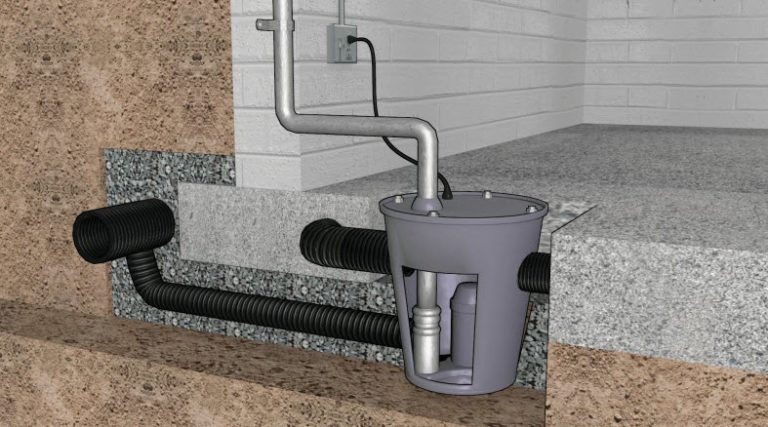
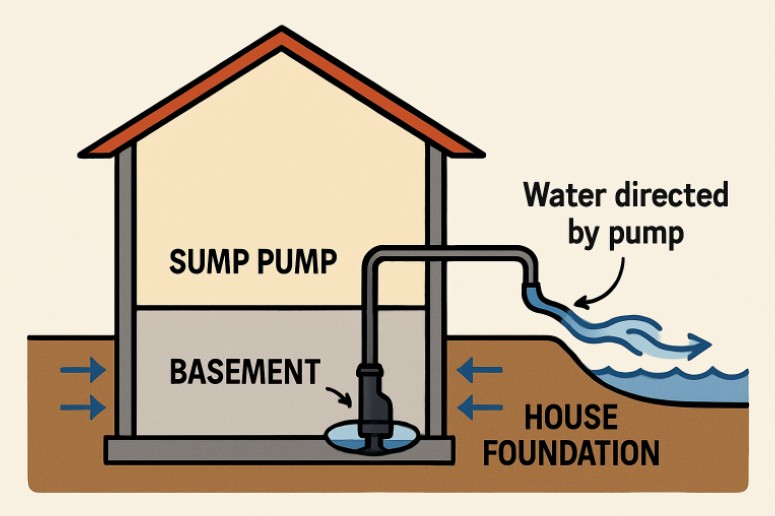
Professional sump pump installation involves meticulous steps to ensure optimum performance. The process begins with thoroughly assessing your basement’s layout, identifying the point where water collects most often. Technicians then excavate a sump basin pit at this low spot. The pump is installed inside the basin, wired to a dedicated power source, and connected to an outflow pipe that expels water a safe distance from your foundation.
Professional installers pay close attention to detail, ensuring all seals are watertight and that the discharge line will not freeze or clog during the colder months. Battery backup systems or water-powered secondary pumps are often included to ensure the system remains functional during electricity outages. Annual inspections help prepare these systems for unexpected heavy rainfall or power failure.
Different Types Of Sump Pumps Explained
Homeowners generally have two main options for sump pumps: pedestal and submersible. Pedestal pumps feature a motor mounted above the sump basin, offering easy maintenance access but sometimes producing more noise. Submersible pumps sit directly in the pit, operating quietly and efficiently to handle greater volumes of water—ideal for larger basements or areas prone to heavy storms.
Selection depends on basement size, local water table levels, and layout. Consulting a trusted contractor ensures you choose the type and capacity that best align with your property’s moisture management needs.
Signs You Need A Sump Pump In Your Basement
- Persistent dampness or standing water after moderate rainfall.
- Musty odors or visible mold growth on basement walls and floors.
- A chalky white substance on masonry, known as efflorescence.
- Notable cracks or bowing of the foundation as a result of water pressure.
- Flooding or moisture problems are experienced by neighbors in similar settings.
If you notice any of these warning signs in your own home, it’s wise to consult with a local professional about protecting your basement before the next storm strikes.
Maintenance Musts To Keep Sump Pumps Reliable
Like all mechanical systems, Sump pumps require regular upkeep for top performance. Each rainy season, pour a bucket of water into the basin to ensure the float activates and the pump drains water efficiently. Inspect the pit for debris or mud that could block the intake. Clean the vent hole in the discharge pipe, and if your unit has a backup battery, test and replace it as needed. Arranging for professional annual inspections can catch small issues early—before they become major malfunctions or emergencies.
Insurance Tips & Peace Of Mind
Standard homeowners’ insurance often excludes flood damage, making additional water backup or flood riders vital in risk-prone areas. Proactive investments in flood prevention, such as sump pump systems, may qualify you for discounts or improved premiums—offering extra financial security beyond the physical protection these pumps provide. Discussing your setup with your insurance agent ensures your policy matches the realities of your property, and that you’re not caught off guard by gaps in coverage.
Owning a reliable sump pump is not just about avoiding expensive repairs; it’s also about peace of mind. You can weather storms knowing your family and possessions are protected by the latest flood defense technology.
Future Trends In Flood Prevention Technology
The future of home flood protection looks smarter and more efficient, with advancements like Wi-Fi-enabled sump pumps, water sensors, and integrated systems that send real-time alerts to your phone in case of equipment failure or excess water. Many of these innovations allow for remote troubleshooting, minimize downtime, and add another layer of security for busy homeowners. As flood risks shift with changing weather patterns, expect ongoing improvements in automated systems and predictive maintenance tools. Staying informed on these trends is an important step toward long-term home resilience.