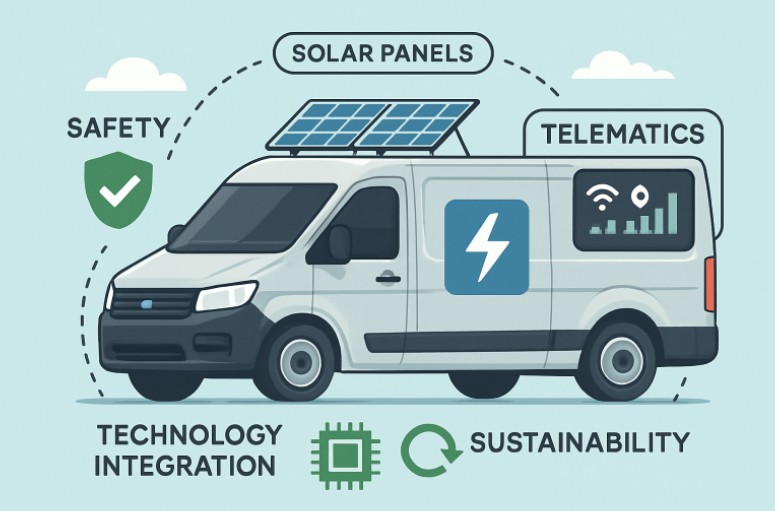
In today’s rapidly evolving transportation landscape, commercial vehicle upfitting has become a key area of innovation as businesses seek smarter, safer, and more efficient ways to customize their fleets. Advances in materials, digital design tools, and integration of connected technologies are reshaping how vehicles are adapted to specific industry needs, from logistics and service fleets to specialized utility applications. These trends reflect a broader shift toward maximizing productivity and flexibility while managing costs and regulatory demands.
As organizations evaluate upfitting options, providers such as https://tcsupfitting.com/ illustrate the range of services and solutions available to support diverse requirements. Collaboration between fleet managers and upfit specialists is increasingly informed by data-driven planning, modular components, and scalable systems that can evolve over time. At the same time, emerging practices emphasize safety enhancements, ergonomic considerations, and interoperability with telematics platforms. Understanding these patterns helps stakeholders make informed decisions in a competitive and technologically dynamic environment.
Electrification and Sustainability in Upfitting
The move toward electrification is transforming the upfitting industry. As global and regional governments implement progressive emissions standards and zero-emission mandates, the demand for electric vehicle (EV) upfitting solutions has risen sharply. Industries like last-mile delivery are leading the way, embracing EVs to align with sustainability goals and lower operational costs. Upfitters are investing in lighter-weight designs and composite materials to offset the added weight of batteries and maintain crucial payload capacity, a key factor in operational effectiveness in high-utilization commercial applications. This trend is further accelerated by government incentives and the increasing price competitiveness of EVs compared to traditional fuel vehicles.
Enhancing Safety and Comfort Features
Worker and driver safety are at the heart of fleet management strategies. Today, features like back-up cameras, in-vehicle lighting, step assists, and powered lift gates are standard in many upfit packages, reducing injury risks and operator fatigue. The drive for enhanced comfort is also sparking demand for innovations, such as advanced climate control systems that extend beyond the cab, providing a safer, more comfortable work environment for drivers and mobile technicians even during inclement weather. These changes not only support compliance with workplace safety regulations but also boost staff retention and job satisfaction.
Strategic Partnerships Between Upfitters and OEMs
Manufacturers and upfitters are forming close partnerships to deliver pre-integrated solutions that streamline vehicle customization and delivery. These relationships leverage OEM design and production efficiencies with the technical expertise of upfitting specialists, often resulting in better-aligned products and reduced lead times. Joint ventures like those between Ford Pro and custom storage solution providers are enabling factory-level integration of upfitting options, staging vehicles that are deployment-ready as soon as they reach their new owners. This integrated approach is making a measurable difference in getting specialized vehicles on the road faster, helping businesses respond quickly to market opportunities.
Integration of Telematics and Smart Technologies
Telematics has evolved from a simple tracking tool to a vital component of modern fleet management. Advanced systems monitor vehicle and driver performance, enabling predictive maintenance, optimal route planning, and energy efficiency improvements. The data harvested through these technologies unlocks new avenues to cut operational costs, reduce unplanned downtime, and improve vehicle utilization. Additionally, smart vehicle solutions are moving beyond monitoring to include automated safety features such as electronic stability controls and real-time driver coaching, reinforcing both productivity and on-road safety for fleet operators.
Adoption of Modular and Lightweight Designs
Advancements in material science have allowed upfitters to create modular, lightweight designs that support both traditional and electrified fleets. Solutions that use aluminum, advanced polymers, and high-strength composites offer significant performance benefits by reducing the vehicle’s weight without sacrificing durability. Modular systems also make it easier to reconfigure vehicles as job requirements change or as fleet operators repurpose equipment across different divisions. Innovations in this area include integrated lighting, telematics-ready panels, and tool storage configurations that promote safety and efficiency on every job site.
Sustainability Initiatives in Upfitting
Green solutions go beyond electric vehicles and include features such as solar panel integration, auxiliary battery systems, and anti-idle equipment. These upfitting strategies reduce fuel consumption and emissions, providing a double benefit by lowering costs and showcasing environmental responsibility to both customers and regulators. Companies adopting solar-powered refrigerators, LED lighting, and smart power management are positioned to meet the increasing demand for sustainable logistics solutions. As a result, fleets become more adaptable for jobs that require off-grid capabilities, empowering operations in sectors such as remote construction or utilities.
Future Outlook in Commercial Vehicle Upfitting
The future of commercial vehicle upfitting is closely linked to advances in electric vehicle architecture, digital fleet management, and regulatory trends. Upfitters will continue to innovate around battery configuration, weight management, and real-time data utilization to further optimize fleet capabilities. Sustainability is poised to become a differentiator, not just a compliance requirement, as more companies seek carbon-neutral operations. Those that adopt early and invest in intelligent, forward-thinking upfit solutions are likely to lead the industry toward increased efficiency, safety, and environmental stewardship.
Conclusion
Commercial vehicle upfitting continues to evolve alongside advancements in electrification, smart technology, and sustainable design. As fleets adapt to new operational demands and regulatory expectations, the integration of modular systems, enhanced safety features, and data-driven tools will remain central to long-term success. By staying informed about emerging technologies and fostering strategic collaborations, businesses can build flexible, efficient fleets prepared to meet both current challenges and future opportunities in a rapidly changing transportation landscape.